
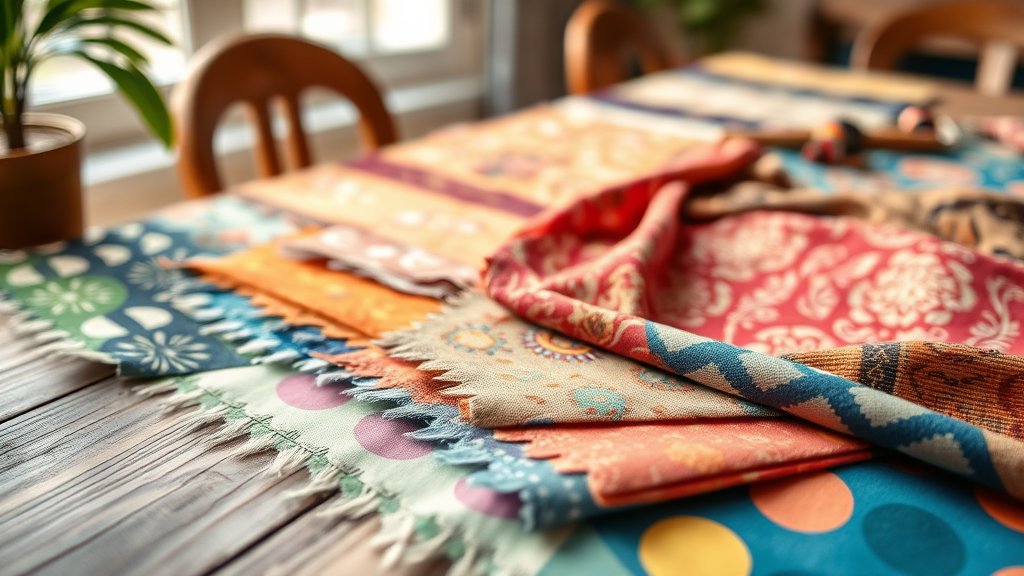
There’s a buzz in the fashion world, and no, it’s not just a new trend popping up on social media. It’s something more substantial, more impactful. The rise of eco-friendly fabrics is transforming how we think about clothing. Suddenly, it’s not just about looking good but feeling good about what we wear. Imagine that—clothes that make you look fabulous and help save the planet. That’s the dream, isn’t it?
For decades, the fashion industry has been synonymous with wastefulness and pollution. Mountains of discarded clothes, toxic dyes contaminating water supplies, and non-biodegradable fabrics clogging landfills have been the norm. But times are changing. People are waking up to the reality that our choices matter. And thus, the push for eco-friendly materials is more than just a fleeting trend; it’s a movement.
Innovative textiles changing the game
Hemp: not just for rope anymore
Hemp used to be relegated to the realm of hippies and sailors, but it’s stepping into the spotlight in a big way. This plant is like the Swiss Army knife of textiles—versatile, durable, and surprisingly soft. Hemp fabric is naturally resistant to mold and UV light, making it perfect for everything from summer dresses to outdoor gear. Plus, it grows like a weed (pun intended), requiring minimal water and no pesticides. Talk about low maintenance.
The beauty of hemp isn’t just in its resilience but also in its sustainability. It’s one of those rare crops that actually improves soil health as it grows, making it a win-win for farmers and fashionistas alike. Imagine wearing a pair of jeans that didn’t just avoid harming the earth but actually helped rejuvenate it. That’s hemp for you.
Pineapple leather: a fruity fashion statement
Who would have thought that pineapples could be anything more than a delicious tropical fruit or a controversial pizza topping? Enter pineapple leather—a vegan alternative to traditional leather that’s turning heads in the fashion industry. Made from the fibers of pineapple leaves, this innovative material is both sustainable and stylish.
Pineapple leather offers an ethical alternative to animal leather without compromising on quality or aesthetics. It’s durable, flexible, and surprisingly luxurious. Plus, it provides an additional income stream for pineapple farmers who can sell what was once agricultural waste. Next time you see a chic handbag or sleek pair of shoes, don’t be surprised if they’re made from pineapple leaves.
The hidden costs of traditional fabrics
We often don’t think about what goes into making our favorite garments. Traditional fabrics like cotton, polyester, and linen fabric come with hidden environmental costs that are easy to overlook when you’re dazzled by a new outfit’s sparkle. Cotton may seem natural and benign, but its cultivation is incredibly water-intensive and relies heavily on pesticides. Polyester, on the other hand, is derived from petroleum, contributing to fossil fuel depletion and microplastic pollution.
Then there’s the labor aspect—sweatshops with abysmal working conditions and wages that barely meet subsistence levels are all too common in the fast fashion industry. These hidden costs aren’t visible on the price tag but weigh heavily on our collective conscience. Choosing eco-friendly fabrics isn’t just an environmental decision; it’s an ethical one as well.
Brands leading the sustainable charge
Fortunately, some brands are stepping up to make sustainability fashionable—and genuinely achievable. Companies like Patagonia and Stella McCartney have long been champions of eco-friendly practices, proving that style and sustainability can coexist harmoniously. These trailblazers are setting new industry standards with their commitment to using recycled materials and ethical production methods.
Younger brands like Reformation and Everlane are also making waves with their transparent supply chains and dedication to reducing waste. For instance, the use of alternative materials such as faux fur fabric is becoming more prevalent in their collections.They’ve embraced innovative materials like Tencel (made from wood pulp) and Econyl (regenerated nylon), showing that being green doesn’t mean sacrificing style or comfort.
How you can make greener choices
The power to drive change lies in everyday decisions. Opting for eco-friendly fabrics is a great start, but there are other ways to make your wardrobe more sustainable. Think about buying second-hand or investing in high-quality pieces that will last longer than fast fashion’s seasonal offerings.
Consider supporting brands that prioritize sustainability and transparency. It might mean spending a bit more upfront, but the long-term benefits—to both your wardrobe and the planet—are worth it. And hey, who doesn’t love an excuse to upgrade their wardrobe?
Ultimately, every little bit helps. Whether it’s choosing organic cotton over conventional cotton or getting curious about where your clothes come from, small actions can lead to significant changes. It all starts with awareness—knowing that what you wear can make a difference.